

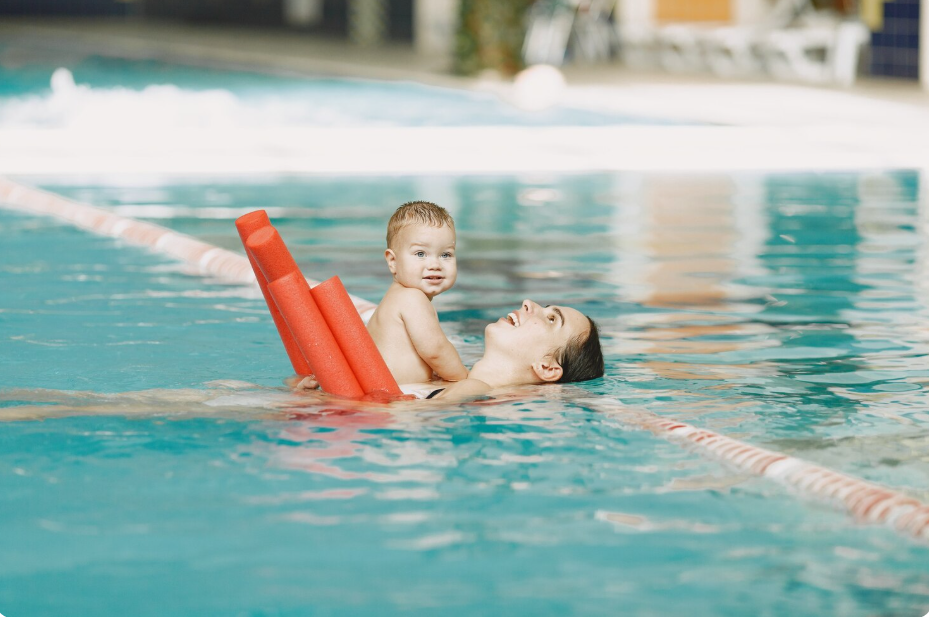
When parents first prepare for swimming with a baby, most of the focus goes to obvious things — towels, temperature, timing. But one detail that often goes unnoticed is how baby swimwear is actually designed to function in water.
It’s easy to assume it’s just a smaller version of adult swimwear, but that’s not quite true. For babies, the design has to solve a very specific challenge: balancing freedom of movement with practical hygiene needs in a water environment.
Understanding this balance gives you a clearer picture of how things work beneath the surface.
Why Baby Swimwear Needs a Different Approach
Babies aren’t just smaller swimmers — they behave differently in water.
They:
-
Move unpredictably
-
Spend more time sitting or being held
-
Have no control over bodily functions
This means their swimwear has to do more than just stay in place. It needs to adapt to movement, water pressure, and changing conditions — all without causing discomfort.
The Role of Water Flow in Design
One of the most important — and least discussed — elements of baby swimwear is water flow.
In water:
-
Materials that trap liquid become heavy
-
Excess weight affects movement and balance
-
Retained moisture can lead to discomfort
So instead of blocking water, well-designed products allow it to pass through naturally. This keeps the garment lightweight and maintains a consistent shape, even during longer swim sessions.
Structure Over Absorption
A key difference between everyday baby products and swim-specific ones is the shift from absorption to structure.
Rather than soaking up liquids, swimwear relies on:
-
Shape retention
-
Strategic elasticity
-
Secure positioning on the body
This structural approach is what allows babies to move freely while maintaining functionality in water.
If you’re curious about the mechanics behind this, this detailed guide on how do swim nappies work explains the concept in a more focused way.
Why Fit Is More Important in Water
Fit matters in any clothing, but in water, it becomes critical.
Even small gaps can:
-
Reduce effectiveness
-
Affect comfort
-
Interfere with movement
That’s why baby swimwear often includes:
-
Elasticated leg openings
-
Flexible waistbands
-
Materials that stretch without losing shape
The goal is to create a secure fit that moves with the baby rather than against them.
Movement, Resistance, and Comfort
Water creates resistance with every movement.
For babies, this means:
-
Kicking requires more effort
-
Balance is constantly shifting
-
Coordination is still developing
If swimwear is too bulky or restrictive, it can:
-
Limit natural movement
-
Reduce confidence
-
Make the experience less enjoyable
Lightweight, flexible design helps babies adjust to these conditions more easily.
The Impact of Materials
Material choice plays a bigger role than most parents realise.
Good swimwear materials are:
-
Quick-drying
-
Stretchable but durable
-
Resistant to chlorine and salt
These properties ensure that the garment:
-
Maintains its shape over time
-
Doesn’t become uncomfortable after use
-
Performs consistently across different environments
Why Design Matters More Over Time
During a single swim session, design details might seem subtle. But over time, they make a noticeable difference.
Consistent use of well-designed swimwear can:
-
Improve comfort during longer sessions
-
Reduce the likelihood of irritation
-
Support natural movement development
These small advantages add up, especially for babies who swim regularly.
Looking Beyond the Surface
At first glance, baby swimwear might seem simple. But behind that simplicity is a series of thoughtful design decisions shaped by real-world use.
It’s not just about appearance — it’s about:
-
How materials behave in water
-
How the body moves
-
How different conditions affect comfort
Understanding these factors helps you make better choices without overcomplicating the process.
Final Thought
Swimming with a baby involves more than just getting into the water. It’s about creating an environment where they can move comfortably, adapt naturally, and enjoy the experience.
When you understand the design logic behind what they wear, everything starts to make more sense — and the focus shifts back to what really matters: relaxed, enjoyable time in the water.