

Choosing a unique animal companion brings a sense of wonder into a home. Many people in 2026 are looking for reptiles and amphibians that fit a modern lifestyle. Understanding the diverse world of these creatures helps you make a responsible choice. This overview highlights several species and explains what to keep in mind when bringing one home.
Aquatic Salamanders
Axolotls are unique salamanders that spend their entire lives underwater and have feathery external gills. Other aquatic creatures like fire-bellied newts, which are colorful, mudpuppies, which are large, and tiger salamanders, which are terrestrial as adults, offer a similar view of amphibian biology. Specialized aquarium shops often have these animals available and can provide details about their water chemistry needs. Keeping the water temperature low is necessary for their health and helps prevent stress or illness.
Sun-Loving Lizards
Bearded dragons are popular lizards that often display a curious and friendly personality toward their owners. Similar reptiles like uromastyx, which are herbivores, rankin dragons, which are smaller, and collared lizards, which are fast, are also sought after for their desert-dwelling habits. Many animal shelters now have departments dedicated to reptiles where you can find these lizards looking for a new home. Knowing their dietary needs for insects and vegetables helps maintain their energy levels and physical health.
Web-Building Invertebrates
Tarantulas are fascinating invertebrates that allow people to observe complex predatory behaviors in a small enclosure. People also look for jumping spiders, which are active, vinegaroons, which are harmless, and whip scorpions, which are unique, to add variety to their collections of invertebrates. You can purchase these spiders from online invertebrate specialists who ship them safely during mild weather conditions. These animals are quite delicate so handling them requires a lot of patience and a very soft touch.
Tree-Dwelling Snakes
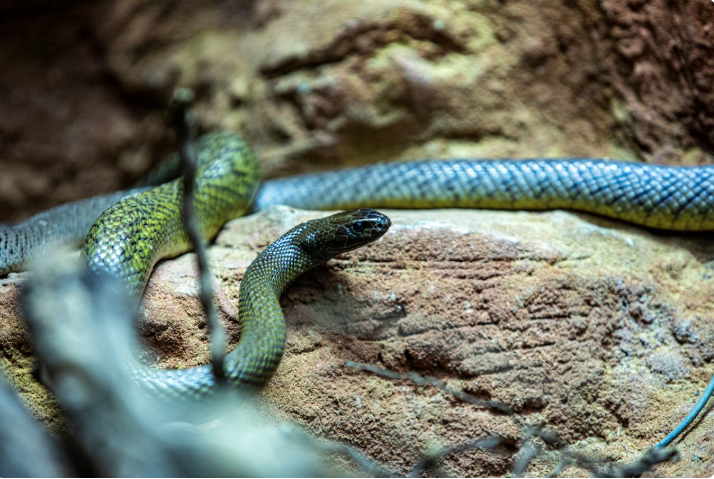
Green tree pythons are known for their bright colors and the way they drape themselves over branches. Arboreal snakes like emerald tree boas, which are green, carpet pythons, which are patterned, and amazon tree boas, which are slender, share this habit of living high above the ground. Boutique reptile shops often source these animals from professional breeders who focus on healthy captive-born bloodlines. Creating a vertical space with plenty of humidity is a vital part of keeping these snakes comfortable in a home.
Blue-Tongued Foragers
Blue-tongue skinks are heavy-bodied lizards that are famous for their namesake bright blue tongues. Other lizards with similar needs include pink-tongued skinks, which climb, fire skinks, which are bright, and shingleback skinks, which are rugged. Local reptile specialty stores are excellent places to find these animals and learn about their specific history. These lizards eat a very diverse diet so providing a mix of proteins and plants is essential for their growth.
Gentle Constrictors
Ball pythons are common in the reptile world because they have a gentle temperament and many color variations. Species such as rosy boas, which are burrowers, Kenyan sand boas, which are desert dwellers, and children’s pythons, which are small-bodied, provide similar experiences for those interested in small constrictors.
You can find these animals at reptile stores, such as Snakes at Sunset, as well as expos where many different breeders gather to share their stock. It is important to understand their long lifespan so you can provide a stable home for the duration of their lives.
Colorful Amphibians
Poison dart frogs are small but bring a lot of color and activity to a bioactive glass terrarium. Different frogs like mantellas, which are small, red-eyed tree frogs, which are nocturnal, and waxy monkey frogs, which are arboreal, also thrive in these environments. Dedicated amphibian breeders often sell these frogs along with the specific fruit flies they need for food. Maintaining a consistent humidity level is the most important factor for keeping their skin moist and healthy.
Active Colubrids
Corn snakes are active and curious animals that come in a wide range of orange, red, and yellow tones. Related species such as king snakes, which eat other snakes, milk snakes, which are banded, and rat snakes, which are climbers, offer a similar ease of care for hobbyists. Most general pet stores that handle reptiles will have these snakes available for people to see in person. Understanding their shedding process is important because it indicates that the snake is growing and staying hydrated properly.
Social Crustaceans
Hermit crabs are social land crustaceans that require a group of companions and a very specific environment. Other interesting crustaceans like vampire crabs, which are semi-aquatic, fiddler crabs, which have a large claw, and thai micro crabs, which are tiny, provide a similar look at life in a tank. You can find these animals through ethical suppliers who prioritize the health of the crabs over high-volume sales. Providing deep sand for digging is a critical requirement for their safety when they need to molt their old shells.
Patterned Geckos
Leopard geckos are nocturnal lizards that are appreciated for their spots and their ability to store fat in their tails. Similar small geckos like African fat-tailed geckos, which are slow, crested geckos, which jump, and gargoyle geckos, which are hardy, are also very popular in the hobby today. Local hobbyist groups often have members who breed these lizards and can offer a wealth of background information. It is important to provide a calcium supplement with their food to help their bones grow strong and healthy.
Ancient Arachnids
Scorpions are ancient predators that possess a physical form that has remained consistent for a very long time. Species like the emperor scorpion, which is docile, forest scorpion, which is dark, and flat rock scorpion, which is thin, are common choices for those who enjoy arachnids.
Specialized wildlife centers often have these animals for sale and can explain the differences between various species. Keeping their enclosure secure is a top priority because these animals are very good at finding small gaps to escape.
Finding the right exotic pet involves a commitment to learning about their specific biology. Many resources exist to help you find healthy animals from reputable sources. Your dedication to their well-being helps these unique creatures thrive in a domestic setting. Please feel free to explore these options as you consider adding a new member to your household.