

Cities that once thrived on manufacturing face distinct challenges as their economic foundations have shifted over recent decades. The empty factories and reduced populations that characterize many post-industrial areas tell stories of economic transition that continue to unfold. These communities possess assets that remain valuable despite changed circumstances, including established infrastructure, historic architecture, and residents with deep connections to their neighborhoods. Revitalization requires understanding how different elements of urban life connect to one another and recognizing that housing stability, economic opportunity, environmental quality, and community services all influence whether cities can successfully adapt to new economic realities.
Economic Diversification as Foundation
Creating new economic opportunities requires identifying industries and services that match both the existing workforce skills and emerging market demands. Cities with universities, hospitals, or research institutions can build on these anchor institutions to develop knowledge-based employment clusters.
The service sector, creative industries, and specialized manufacturing often provide pathways for economic renewal that differ substantially from historical industrial employment. Local governments play important roles in zoning changes, workforce development programs, and infrastructure improvements that make areas attractive for new business investment.
Community Development Finance
Specialized financial institutions have emerged to address the gap between conventional lending and the needs of underserved communities. Community Development Financial Institutions provide capital for projects that traditional banks may view as too risky or insufficiently profitable.
These organizations focus on creating community benefit alongside financial returns, which aligns their interests with long-term neighborhood stability. Their lending criteria often consider social impact factors that conventional underwriting processes overlook, making them valuable partners for revitalization projects.
Affordable Housing Finance Mechanisms
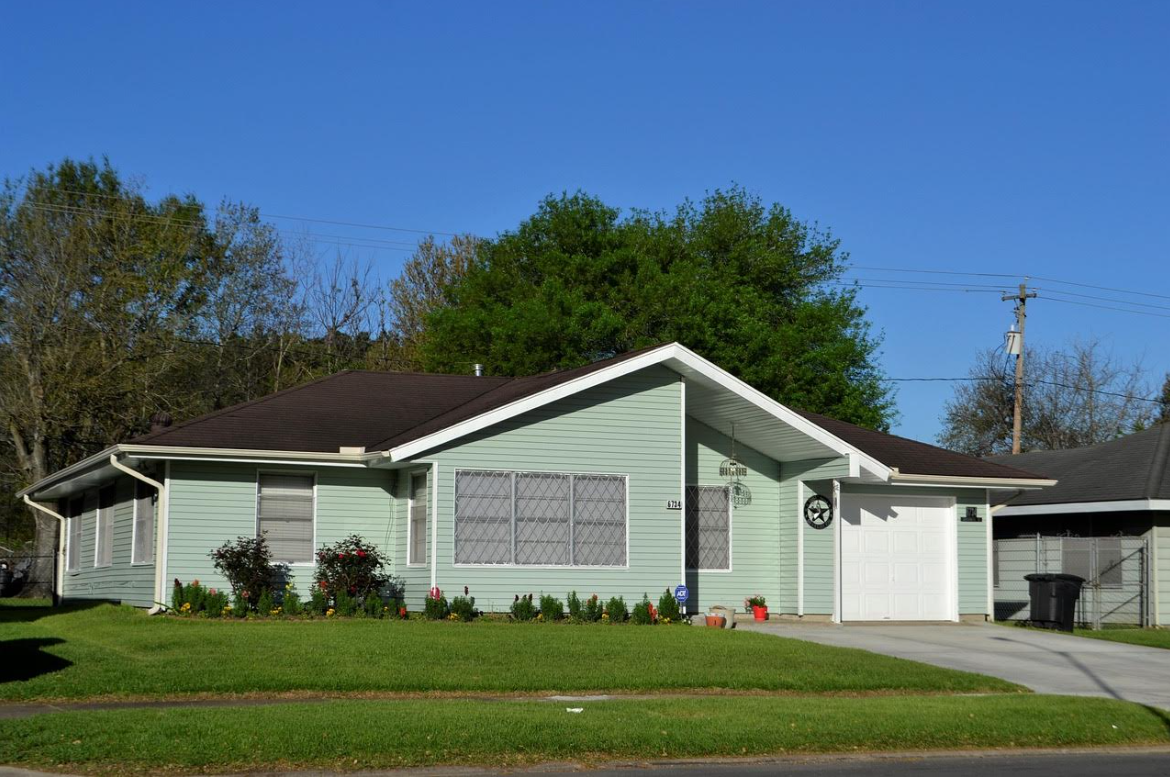
The availability of stable housing affects whether families can remain in revitalizing neighborhoods and participate in economic recovery. Low-income housing tax credits provide private investors with tax benefits in exchange for funding affordable rental housing developments.
Housing trust funds at the state and local levels pool resources from various sources to support affordable housing creation and preservation. Businesses, like Advantage Capital, utilize federal and state tax credit initiatives to secure financing. This funding supports housing developments, ultimately increasing the availability of safe, high-quality, and affordable homes for low-income families.
Accessing Development Finance Services
Organizations that provide development finance for affordable housing include national intermediaries like Enterprise Community Partners and Local Initiatives Support Corporation, which offer both capital and technical assistance. State housing finance agencies administer tax credit programs and operate loan funds specifically designed for affordable housing projects.
Regional and local community development corporations often have relationships with multiple funding sources and understand the specific requirements of different financing programs. Credit unions with community development designations sometimes offer more flexible lending terms than traditional banks for housing and small business projects.
Transportation Infrastructure Connections
The relationship between housing location and employment access shapes economic opportunity for residents in meaningful ways. Public transportation systems require ongoing maintenance and expansion to connect residential areas with job centers effectively.
Many post-industrial cities have transportation infrastructure that was designed for commuting patterns that no longer match current needs. Investments in transit-oriented development can increase property values while reducing transportation costs for households.
Adaptive Reuse of Industrial Buildings
Converting former industrial structures into residential, commercial, or mixed-use spaces preserves architectural heritage while meeting contemporary needs. These projects often face complications related to building codes, hazardous materials remediation, and the costs of updating outdated systems.
Historic preservation tax credits can make adaptive reuse financially viable by offsetting some renovation expenses. The character and authenticity of repurposed industrial buildings attract residents and businesses seeking distinctive spaces that new construction cannot replicate.
Workforce Development Alignment
Training programs become more effective when they respond to actual employer needs rather than assumptions about what skills might be valuable. Partnerships between educational institutions and local employers can create pipelines that match job seekers with available positions.
The transition from industrial to service or knowledge-based economies requires different competencies than those older workers may have developed during their careers. Successful workforce development addresses both technical skills and the soft skills that employers increasingly value.
Environmental Remediation Priorities
Brownfield sites—properties where contamination complicates redevelopment—are common in former industrial areas and require specialized approaches. Federal and state programs provide grants and liability protections that make brownfield cleanup more feasible for developers.
The health implications of environmental contamination affect property values and the well-being of surrounding neighborhoods. Addressing contamination opens land for productive use while removing sources of ongoing community health concerns.
The revitalization of post-industrial cities represents an ongoing process rather than a problem with simple solutions. Each community brings its own history, assets, and challenges that shape what approaches will be most effective. Financial tools, policy frameworks, and development strategies provide resources that communities can adapt to their specific circumstances.
Success depends on coordination among government agencies, private developers, community organizations, and residents who understand local needs and priorities. As these cities continue to evolve, the lessons learned from various revitalization efforts inform how other communities might approach their own transitions. The persistence of these communities through economic change demonstrates resilience that can support future adaptation when paired with appropriate resources and thoughtful planning.