

The relationship between landlords and tenants rests on a foundation of clear expectations and legal responsibilities that govern how rental properties should be maintained. When these responsibilities are well understood by both parties, living situations run more smoothly and disputes become far less common.
Many new landlords and tenants alike find themselves uncertain about who handles which types of repairs and maintenance tasks. This article explores the various maintenance obligations that typically fall to property owners, explaining why these responsibilities matter and what they mean in practical terms for everyone involved in rental agreements.
Plumbing System Maintenance
Functional plumbing stands as a non-negotiable requirement for habitable housing in virtually all jurisdictions. Landlords must address issues with pipes, drains, water heaters, and fixtures that affect the property’s usability.
Leaks, clogs, and water pressure problems typically demand professional intervention rather than tenant-level fixes. The distinction between normal wear and tenant-caused damage becomes important when determining who bears responsibility for specific plumbing repairs.
Electrical System Compliance
Electrical systems must meet current safety codes and function reliably to support modern living needs. Landlords bear responsibility for maintaining wiring, circuit breakers, outlets, and lighting fixtures in proper working order.
Faulty electrical components present serious fire hazards and require immediate professional assessment. Older properties may need updates to handle contemporary electrical demands, which remains a landlord obligation even if the property functioned adequately in previous decades.
Heating System Requirements
Most regions mandate that rental properties maintain adequate heating capabilities during colder months as a habitability requirement. Landlords must keep furnaces, boilers, radiators, and other heating equipment operational throughout winter seasons.
Regular maintenance and timely repairs prevent breakdowns during critical periods when tenants depend on these systems most. The specific temperature requirements vary by location, but the general principle of providing functional heating equipment applies broadly across rental markets.
Air Conditioning Repair
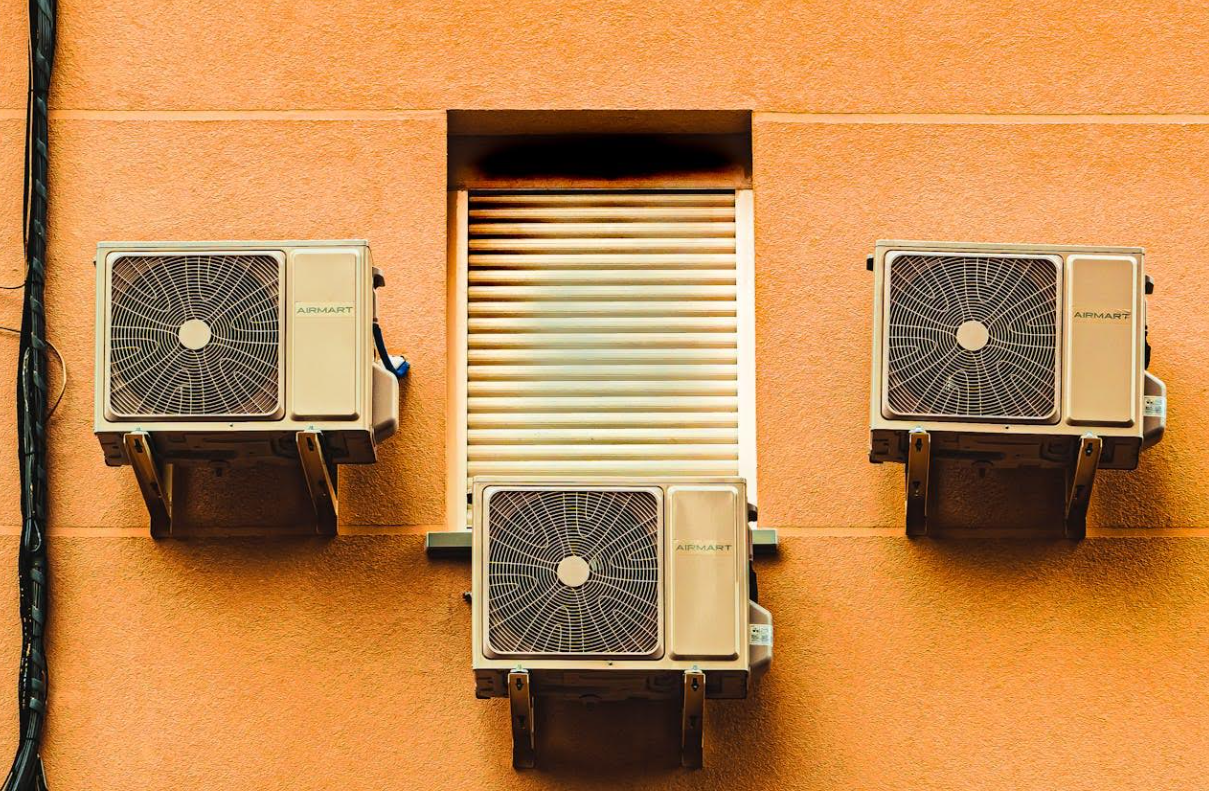
Air conditioning repair obligations depend heavily on local laws and what amenities were promised in the lease agreement. In regions with extreme heat, air conditioning may qualify as a habitability requirement that landlords must maintain.
Properties advertised with air conditioning create a contractual obligation to keep those systems functional throughout the tenancy. HVAC professionals, from companies like Airco, typically handle refrigerant issues, compressor problems, and ductwork concerns that exceed basic filter changes. Licensed contractors specializing in climate control systems can diagnose complex issues and perform repairs that require specialized tools and certification.
Pest Control Measures
Landlords generally hold responsibility for addressing pest infestations that existed before tenant occupancy or result from structural deficiencies. Cockroaches, rodents, bedbugs, and other pests can render a property uninhabitable if left unaddressed.
The responsibility may shift to tenants if their actions or cleanliness standards directly caused the infestation. Professional pest control services offer various treatment options depending on the specific pest type and severity of infestation. These specialists can identify entry points, apply treatments, and recommend preventive measures to avoid future problems.
Common Area Maintenance
Properties with shared spaces like hallways, stairwells, laundry rooms, and parking areas require ongoing landlord attention to remain safe and functional. Lighting in these areas must work properly to prevent accidents and deter security concerns.
Accumulated trash, broken fixtures, or damaged surfaces in common areas reflect landlord responsibility rather than individual tenant obligations. Regular upkeep of these spaces contributes to overall property value and tenant satisfaction.
Appliance Repair and Replacement
When landlords provide appliances like refrigerators, stoves, dishwashers, or washing machines, they typically assume responsibility for keeping them operational. These items directly impact daily living and tenant ability to use the property as intended.
The age and condition of appliances affect whether repair or replacement makes more practical sense. Appliance repair services can assess whether fixing a malfunctioning unit remains cost-effective compared to replacement, though landlords make the final decision based on their property management strategy.
Window and Door Functionality
Properly functioning windows and doors contribute to security, energy efficiency, and basic comfort in rental properties. Landlords must address broken locks, damaged frames, cracked glass, and sealing issues that affect these essential components.
Draft problems and moisture intrusion often stem from window and door deficiencies that require professional attention. These repairs protect both the property’s physical condition and tenant safety from intrusion or weather-related problems.
Property maintenance responsibilities form the backbone of successful landlord-tenant relationships and legal compliance in the rental housing market. Understanding these obligations helps landlords protect their investments while providing safe, comfortable living spaces for their tenants.
The specific requirements may vary based on local regulations, lease agreements, and property characteristics, but the general principles remain consistent across most rental situations. When landlords take their maintenance responsibilities seriously and respond appropriately to repair needs, they create positive living environments that benefit everyone involved while minimizing legal risks and costly emergency situations down the road.