

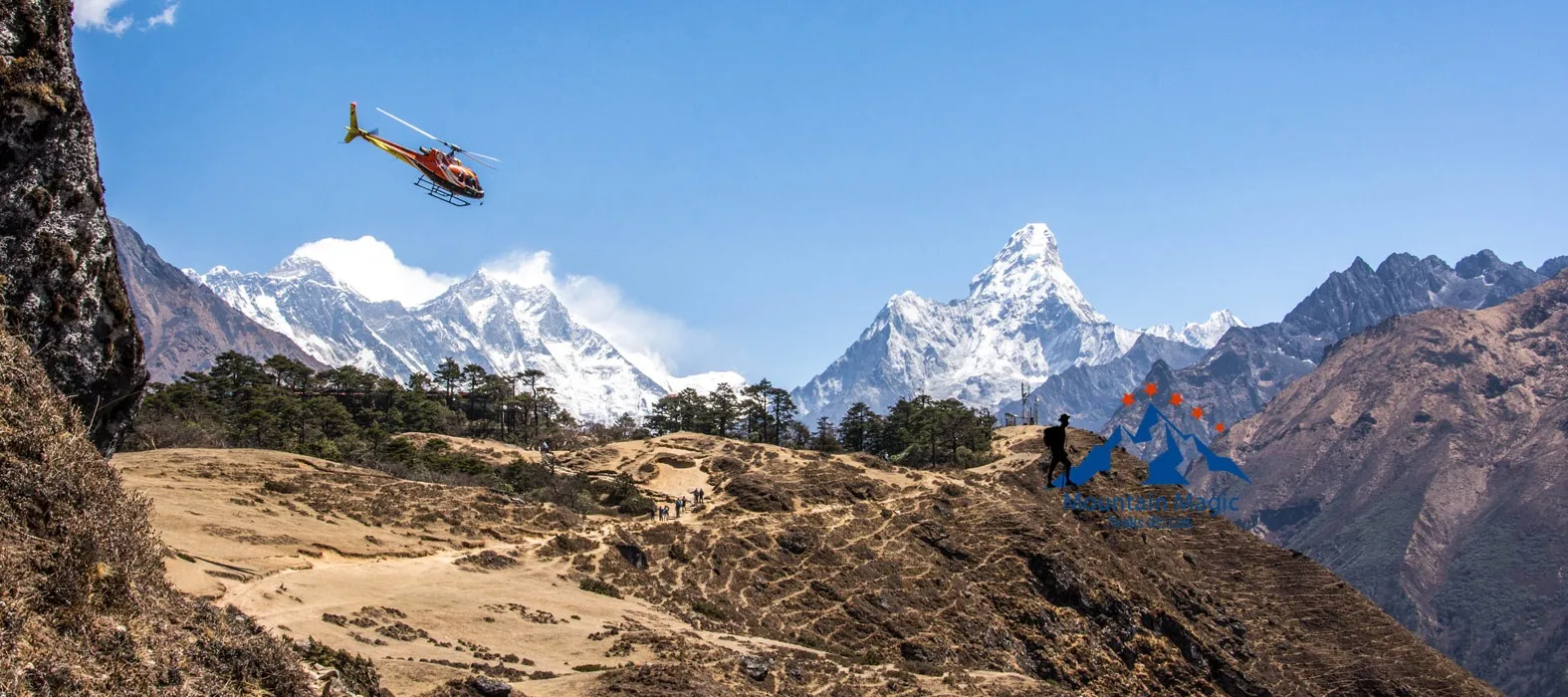
Helicopter travel in the Himalayas requires much more than a skilled pilot and a suitable aircraft. Mountain weather can change within a short period, and conditions around one valley may be very different from those near another mountain. Before a helicopter takes off, operators must consider visibility, wind, cloud cover, temperature, and other flight conditions.
In the Everest region, these details are especially important because aircraft operate around high peaks, deep valleys, and remote landing locations. Weather observation helps pilots and operators make informed decisions about when a flight can proceed safely.
The Everest Base Camp Trek with Helicopter Return includes helicopter transportation through one of Nepal’s most challenging mountain environments. Understanding how flight planning works gives travelers a clearer picture of the coordination behind this part of the journey.
Why Mountain Weather Is Different from Ordinary Weather
Weather in a mountain region does not always follow the same pattern across an entire area. High peaks, valleys, slopes, and differences in elevation can create separate local conditions.
A valley may have reasonable visibility while a nearby ridge is covered by clouds. Wind may also behave differently around mountain slopes and narrow passages.
The Effect of Mountain Geography
Large mountains influence how air moves. When air travels toward a mountain range, it may rise along the slopes and cool. This process can contribute to cloud formation and precipitation.
The shape of the landscape also affects wind direction and speed. Narrow valleys may channel moving air, while exposed ridges can experience stronger winds.
Why Conditions Can Change Quickly
Clouds can develop around high peaks, and visibility may decrease without much warning. Temperature differences between valleys and higher elevations can also influence local weather.
For flight operators, this means that a forecast must be considered alongside current observations. Conditions should not be judged only by what the sky looks like at the departure point.
Important Weather Factors for Helicopter Operations
Several weather conditions influence whether a mountain flight can operate. Pilots and aviation operators must follow applicable aviation rules and safety limits.
Visibility and Cloud Cover
Pilots need enough visibility to operate safely. Thick clouds, fog, and poor visibility can make it difficult to identify terrain and maintain safe separation from obstacles.
Cloud cover is particularly important around high mountain areas because peaks and ridges may become hidden.
Wind Speed and Direction
Wind can affect aircraft handling, especially near exposed landing locations and mountain slopes.
Strong or changing winds may create difficult operating conditions. Pilots must consider wind information before departure and throughout the flight.
Temperature and Air Density
Air density decreases as elevation and temperature increase. This affects helicopter performance, including the lift available from the rotor system.
High-altitude operations therefore require careful consideration of aircraft performance, passenger weight, fuel, and operating conditions.
Precipitation and Turbulence
Rain, snow, and other forms of precipitation can reduce visibility or affect flight conditions. Mountain turbulence may also develop when air moves around ridges and uneven terrain.
These factors are assessed as part of the overall flight decision.
How Weather Information Is Collected
Flight planning uses different sources of information rather than relying on one weather report.
Aviation teams may review official forecasts, available weather observations, airport information, and reports from operating locations.
Forecast Reports and Weather Updates
Forecasts provide information about expected conditions over a particular period. They help operators identify possible changes before a flight is scheduled.
However, forecasts are not guarantees. Conditions in remote mountain areas can differ from predictions, so updated information remains important.
Observations from Local Locations
Reports from airports, landing areas, and nearby settlements can help operators understand actual conditions.
Information may include cloud cover, visibility, wind, and precipitation. The usefulness of these observations depends on the location and availability of reliable reporting.
Communication Between Flight Teams
Pilots, ground staff, and dispatch teams need to share relevant information before and during operations.
Clear communication helps everyone understand the current situation and any changes to the planned flight.
What Happens Before a Helicopter Takes Off?
A mountain flight requires several checks before departure. The exact process depends on the operator, aircraft, route, and aviation requirements.
A typical planning process may involve:
-
Reviewing the intended route and destination.
-
Checking available weather information.
-
Assessing aircraft performance for the planned elevation.
-
Confirming passenger and baggage weight.
-
Reviewing fuel requirements.
-
Checking operational restrictions and landing conditions.
-
Making the final decision according to safety requirements.
A scheduled departure time does not mean the aircraft must take off regardless of conditions. Safety decisions take priority over the travel schedule.
Why Morning Flights May Be Preferred
Some helicopter operations in mountain regions are planned for earlier hours because weather and visibility can be more favorable at certain times.
However, this is not a fixed rule. Conditions vary by location, season, and individual weather systems.
The Importance of Daily Conditions
Morning weather may be suitable on one day but unfavorable on another. Wind, clouds, and visibility can change at different rates across the region.
Operators must assess the actual conditions instead of assuming that a particular time will always provide safe flying weather.
Why Afternoon Conditions Can Differ
Heating during the day can influence air movement and cloud development in mountainous areas. In some situations, this may contribute to changing visibility or turbulence.
The effect depends on local geography and the wider weather pattern. It is one reason flight planning requires regular updates.
How Weather Affects the Everest Helicopter Route
The route between Kathmandu, Lukla, Gorakshep, and other locations involves different elevations and geographical conditions.
A helicopter may pass through valleys and areas close to mountain slopes. Conditions at the departure location may not match those along the entire route.
The Everest Base Camp Trek with Helicopter Return requires operators to consider the weather at relevant locations rather than relying on a single forecast for the whole journey.
Landing Conditions at High Elevation
Landing at a high-altitude location requires suitable ground conditions, enough space, and aircraft performance within approved limits.
Snow, loose material, wind, and visibility may influence whether a landing can be completed safely.
Route Changes and Operational Decisions
Flight routes may need adjustments according to weather and operational requirements. Pilots and operators make these decisions based on safety, available information, and aviation procedures.
Passengers should understand that the planned route or timing may change when conditions require it.
What Travelers Should Expect When Flights Are Delayed
Weather-related delays can happen during Himalayan helicopter travel. A flight may be postponed, rescheduled, or canceled if conditions are unsuitable.
Travelers should keep some flexibility in their plans and understand the arrangements offered by their trekking company.
Before departure, useful questions include:
-
What happens if the scheduled flight is delayed?
-
Are alternative departure times available?
-
How are accommodation changes handled?
-
What costs may apply if an overnight stay becomes necessary?
-
How will passengers receive flight updates?
The answers depend on the operator’s policies and the specific travel package.
The Role of Responsible Aviation
Mountain aviation requires a strong focus on safety and environmental responsibility. Aircraft operations should follow approved procedures, and pilots must avoid taking unnecessary risks to meet passenger expectations.
Noise, fuel use, and flight activity can also affect sensitive mountain environments and local communities.
Responsible operators should explain flight arrangements clearly and avoid promising that every scheduled journey will operate under all weather conditions.
Final Thoughts
Weather forecasting is a major part of helicopter operations in the Everest region. Mountain geography, changing winds, cloud cover, visibility, temperature, and aircraft performance all influence flight decisions. Operators use forecasts and current observations to assess conditions before allowing a flight to proceed.
The Everest Base Camp Trek with Helicopter Return combines mountain trekking with aviation services that require careful planning. Travelers who understand the role of weather can prepare more realistically, remain flexible with schedules, and recognize why safety must always come before departure times.
Frequently Asked Questions
1. Why is weather important for helicopter flights in the Everest region?
Mountain weather can change quickly and affect visibility, wind, turbulence, and aircraft performance. These conditions influence whether a flight can operate safely.
2. Are helicopter flights always scheduled in the morning?
Not always. Earlier departures may be preferred under certain conditions, but actual flight times depend on weather, operations, and aircraft availability.
3. Can a helicopter flight be canceled because of clouds?
Yes. Cloud cover and poor visibility may prevent safe operations, depending on the location and applicable flight rules.
4. Does a weather forecast guarantee that a helicopter will fly?
No. Forecasts provide expected conditions, but operators must also consider current observations and safety requirements.
5. What should travelers do if their helicopter flight is delayed?
They should follow instructions from the trekking company, remain available for updates, and understand the operator’s arrangements for schedule changes.